

Zakat on Savings and Income: A Step-by-Step Calculation Guide
Learn how to calculate zakat on your savings, investments, and annual income with practical examples and common mistakes to avoid.
Read MoreUnderstanding zakat obligations, computation methods, and integrating charitable giving into your household budget in Malaysia

Learn everything you need to know about zakat calculation, fitrah obligations, and state collection processes
Learn how to calculate zakat on your savings, investments, and annual income with practical examples and common mistakes to avoid.
Read More
Complete breakdown of zakat fitrah rates for 2026, what counts as zakat fitrah, and how to pay before Eid al-Fitr properly.
Read More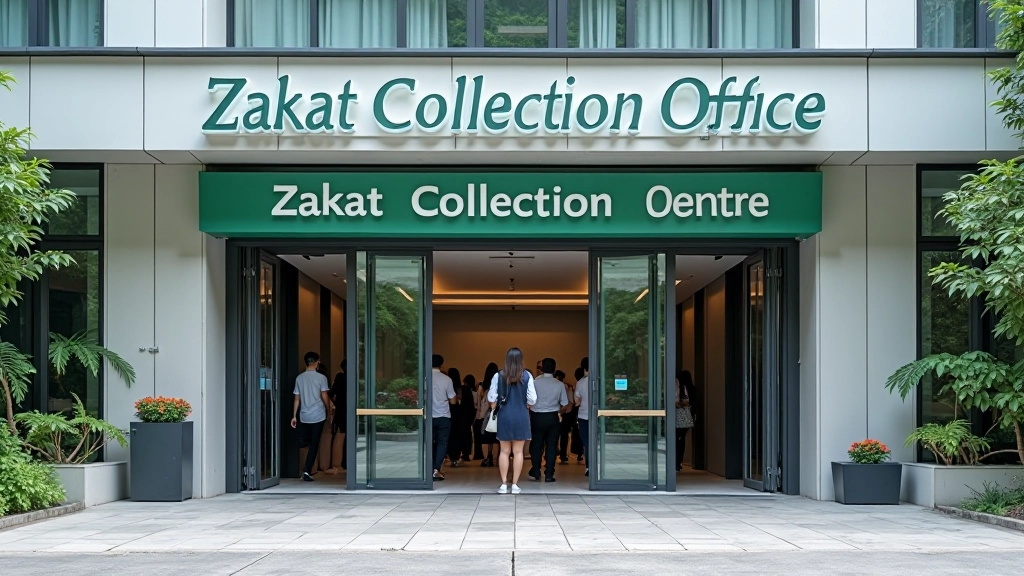
Directory of state zakat centers, payment methods accepted, online options, and what documentation you’ll need for each Malaysian state.
Read More
Build a sustainable zakat budget into your household finances. Templates, tracking methods, and strategies that work year-round.
Read MoreZakat becomes obligatory when your wealth exceeds the nisab (minimum threshold). This amount is set based on the price of gold or silver and changes annually. Most Malaysian states publish updated nisab values in their official guidelines. You’ll only pay zakat on wealth above this threshold.
Your zakat year (hawl) runs for one lunar year. Once your wealth reaches the nisab, you must pay zakat annually on that date. Tracking your zakat date helps you plan financially and ensures you’re paying on time. Many people align their zakat year with the Islamic calendar for simplicity.
Zakat applies to different categories: money and savings (2.5%), gold and silver jewelry, business inventory, agricultural produce, and livestock. Each type has specific rules for calculation. Most urban Malaysians focus on zakat mal (wealth) which covers cash, bank savings, and investments held for a full lunar year.
Islamic law specifies eight categories of recipients: the poor, the needy, zakat administrators, those whose hearts are to be softened (reconciliation), slaves and captives, debtors, those in Allah’s way, and travelers. State zakat centers distribute collected funds according to these categories and local Islamic guidelines.
Real-world scenarios to help you understand how zakat works on different types of wealth
Add up all eligible assets: cash, bank savings, gold, silver, investments, business stock, and outstanding debts you’re owed. Subtract any debts you owe. This total must be held for a full lunar year to trigger zakat obligation.
Compare your total wealth to the current nisab threshold. In Malaysia, state zakat offices publish annual nisab amounts. If your wealth is below nisab, you don’t owe zakat. If above, you calculate on the entire amount, not just the excess.
Multiply your eligible wealth by 2.5% (or 1/40). For example, if you have RM50,000 in savings that’s been held for a year, your zakat is RM1,250. Keep records of when you reach nisab to know your zakat anniversary date each year.
Pay to your state zakat center or authorized collection bodies. Most states accept bank transfers, online payment, and in-person payment. Get an official receipt for your records. Zakat paid to non-authorized channels may not fulfill your obligation.