Zakat Fitrah: Understanding Annual Rates and Payment Methods
Complete breakdown of zakat fitrah rates for 2026, what counts as zakat fitrah, and how to pay before Eid al-Fitr properly.

What Is Zakat Fitrah?
Zakat Fitrah, also called Fitrah or Zakat al-Fitr, is a special form of charity that Muslims pay during Ramadan. It’s different from regular zakat on wealth. You’re essentially providing food or money to ensure that people in need can celebrate Eid properly. Most scholars say it’s obligatory — not optional.
The timing matters. You’ll want to pay zakat fitrah before Eid prayers begin. Some people settle it a few days before, others on the morning of Eid itself. Either way, the earlier you pay, the better. It removes the stress of last-minute payments and gives recipients time to use the money for their Eid preparations.
In Malaysia, state zakat authorities set the annual rates each year based on the price of staple foods. The rates changed for 2026, so if you’re calculating what you owe, make sure you’re using the current year’s figures, not last year’s.

2026 Zakat Fitrah Rates by State
Each Malaysian state sets its own rate. These figures are based on staple food prices — usually rice. The rates changed in 2026, and they’re what you need to use for this year’s payments.
The rate you pay is per person — you’ll multiply by the number of family members you’re obligated to support. Most people count themselves and their dependents.


How to Calculate Your Zakat Fitrah
The calculation’s straightforward. Take your state’s rate and multiply by the number of people you’re responsible for. That’s it. Let’s say you’re in Selangor with a family of four — you’d pay RM 13.50 4 = RM 54.00 total.
The key question is: who counts? Generally, it’s yourself and anyone you’re financially supporting — spouses, children, elderly parents. If your adult child is working and supporting themselves, most scholars say they’d be responsible for their own zakat fitrah. But if they’re still dependent on you, you’d cover them.
Quick tip: Some people find it easier to pay early in Ramadan, especially if they have a large family. It spreads the cost across the month mentally, even though it all comes due before Eid.
You don’t need to be wealthy to pay zakat fitrah. It’s obligatory on almost everyone, regardless of income level. The amount is small compared to regular zakat, which is why it’s seen as a basic obligation that every Muslim should manage.
Payment Methods and Where to Pay
Malaysia’s made it fairly easy to pay zakat fitrah. You’ve got several options depending on your preference and location.
State Zakat Collection Centers
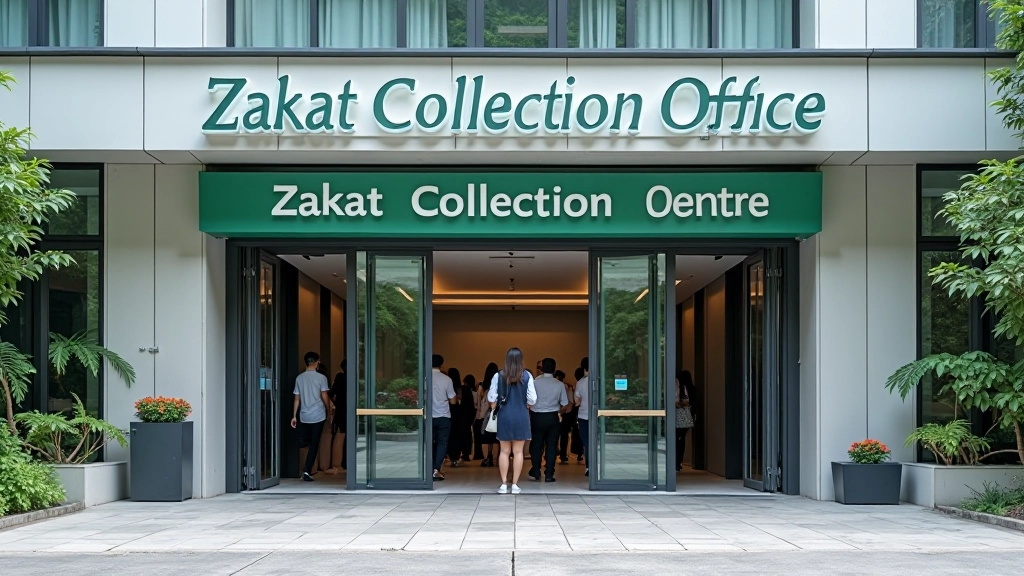
Every state has dedicated collection centers. You can visit in person, bring cash or check. Staff will verify your information and provide a receipt. Most centers stay open extended hours during Ramadan.
Online Payment
Most states now accept online payments through their official websites or mobile apps. You’ll need to register, verify your identity, enter the amount, and complete payment. It’s fast — usually processed within 24 hours.
Mosque or Prayer Centers
Many mosques collect zakat fitrah on behalf of the state authority. They’ll provide envelopes or collection boxes. This method works well if you’re already at the mosque for prayers during Ramadan.
Bank Transfer
State zakat authorities provide bank account details. You can transfer the exact amount from your account. Include your identification number as the reference. It’s secure and creates an automatic record.
Whichever method you choose, always get a receipt or confirmation. You’ll want proof of payment for your records, especially if you’re paying for multiple people or using bank transfer.
When to Pay Zakat Fitrah
Timing is crucial. You must pay zakat fitrah before the Eid al-Fitr prayer begins — not after. Most scholars agree you can pay from the first day of Ramadan, but it’s most commonly paid in the last few days or the morning of Eid itself.
Here’s why the timing matters: zakat fitrah is meant to purify your fast and allow poor people to celebrate Eid. If you pay after Eid prayers, you’ve missed the window. It won’t count as zakat fitrah anymore — it’d just be regular charity.
Last week of Ramadan: Most people settle it now
Eid morning: Can still pay before prayers begin
After Eid prayers: Too late — payment window closed

Key Takeaways
Check your state’s rate: Rates differ across Malaysia. Selangor, KL, and other states have different amounts. Look up your state specifically.
Multiply by family members: Don’t just pay for yourself. Count dependents — spouse, children, parents if you support them.
Pay before Eid prayers: The timing window is tight. Plan to pay in the last week of Ramadan or Eid morning at latest.
Use an official channel: Pay through state zakat centers, online portals, mosques, or banks. Avoid unofficial collectors.
Zakat fitrah is a straightforward obligation. Once you know your state’s rate and family count, the calculation takes minutes. The challenge isn’t figuring out the amount — it’s remembering to pay on time. Set a reminder for late Ramadan and you’ll never miss it.
Disclaimer
This article provides educational information about zakat fitrah rates and payment methods in Malaysia for 2026. Zakat is a religious obligation under Islamic law, and interpretations can vary based on different schools of Islamic jurisprudence. The rates mentioned are based on official announcements from Malaysian state zakat authorities, but you should verify the current rates with your state’s zakat center before making payment. For specific questions about your personal situation — such as who qualifies as a dependent or whether you’re obligated to pay zakat fitrah — consult with your local mosque, Islamic scholar, or the state zakat authority directly. This article isn’t a substitute for professional Islamic guidance.