
Zakat on Savings and Income: A Step-by-Step Calculation Guide
Learn how to calculate zakat on your savings, investments, and annual income with practical examples and common mistakes to avoid.
Read GuideClear guidance on calculating zakat, understanding zakat fitrah, and managing your Islamic financial obligations with confidence.

Zakat isn’t complicated when you understand the fundamentals. We break it down into clear, actionable steps.
Learn how to calculate zakat on savings, investments, and income without confusion. We walk through real examples so you see exactly how it works.
Understand zakat fitrah rates for 2026, what counts as zakat fitrah, and when you need to pay before Eid al-Fitr. Different rates by state, all covered here.
Find your state’s zakat collection center, learn what payment methods they accept, and discover online options. Plus, what documentation you’ll need.
Zakat isn’t separate from your budget — it’s part of your financial planning. We show you how to integrate it into your household framework naturally.
Know you’re fulfilling your Islamic obligations correctly. Our guides cover the details so you don’t have to worry about getting it wrong.
Step-by-step guides, state-by-state information, and practical examples. Everything you need in one place, updated regularly.
You’re not alone if you’re unsure about zakat calculations. Here are answers to questions we hear most often.
Zakat is one of the Five Pillars of Islam — a mandatory charitable obligation. If you’re a Muslim with wealth above a certain threshold (nisab) for a full lunar year, you’re obligated to pay zakat. It’s roughly 2.5% of eligible assets. Not everyone pays zakat every year — it depends on your wealth level and what counts toward zakat.
Start with your savings at a specific date (usually your zakat anniversary). Add eligible investments like gold, silver, and business inventory. Subtract any debts you owe. If the total is above nisab (roughly RM3,494 in 2026, though this varies), you owe 2.5% zakat on that amount. We’ve got detailed examples in our calculation guide that walk through this step-by-step.
Zakat is wealth-based and obligatory if you meet the threshold. Zakat fitrah is paid before Eid al-Fitr and it’s based on the number of people in your household, not wealth. It’s a smaller, fixed amount per person (around RM15-30 depending on your state in 2026). Most Muslims pay both if they’re eligible.
Yes, many states now offer online payment options through their zakat collection centers. Some accept bank transfers, some have dedicated online portals. The options vary by state, so we’ve compiled what’s available in each one. Check the state zakat center guide for your specific location.
No. You can pay zakat directly to eligible recipients (the poor, the needy, etc.) if you prefer. But most people in Malaysia pay through state zakat centers because it’s organized, official, and you get a receipt. The choice is yours, but using the center is the standard approach here.
Nisab is calculated based on the value of gold and silver. It changes slightly each year because gold and silver prices fluctuate. In Malaysia, most zakat centers publish the current year’s nisab around late December. We update our guides with the latest figures, so check back before your zakat year starts. When in doubt, it’s better to pay than not pay.
Our guides are designed to be practical, clear, and specific to Malaysia’s zakat system.
Zakat rules can feel overwhelming when you’re reading multiple sources. We’ve consolidated everything into guides that explain the “why” behind the rules, not just the “how.” That way, you understand the logic and can make confident decisions about your own situation.
We cover calculations with actual numbers, state-specific information for all 13 Malaysian states, and practical examples from real scenarios. Plus, we update everything annually to reflect current nisab thresholds and zakat fitrah rates.

Whether you’re calculating zakat for the first time or you’ve been doing it for years, here’s how we help you get it right.
List your savings, investments, gold, silver, and business assets. Subtract any debts. You’ll need your financial snapshot from a specific date — usually your zakat anniversary. Don’t worry about being perfectly exact; estimates are fine.
Nisab changes each year based on gold and silver prices. We publish the 2026 figures in our guides. If your total wealth is below nisab, you don’t owe zakat that year. If it’s above, you’ll calculate 2.5% on the amount exceeding nisab.
Once you know your eligible wealth total, multiply by 2.5%. Our guides show examples so you can see exactly how this works with real numbers. If you’re unsure, our step-by-step walkthroughs break it down even further.
Find your state’s zakat center (we have the contact info), choose your payment method, and submit. You’ll get an official receipt. If you prefer to distribute zakat yourself to eligible recipients, that’s valid too — but most people use the official center.
Zakat is a pillar of Islam, but the rules can feel scattered across different sources. We’ve brought everything together in one place.
When you’re managing household finances as a Muslim in Malaysia, you’re juggling budgets, savings, investments, and the responsibility to pay zakat. It shouldn’t feel complicated. The calculations are straightforward once you understand them. The state zakat centers are well-organized. The rates are published annually.
What we found was that people often don’t have all this information in one place. You’re searching multiple websites, calling zakat centers, or asking friends for advice. We created these guides to be your single, reliable reference. Everything’s updated for 2026, specific to Malaysian states, and written in plain language — not religious jargon.
We’re not here to give you religious rulings (that’s for Islamic scholars). We’re here to help you understand the system, calculate correctly, and integrate zakat into your household budget naturally. Think of us as the practical guide you wish you’d found earlier.
Start with our comprehensive guides on zakat calculation, fitrah rates, and state zakat centers. Or if you have specific questions, reach out and we’ll help.
Browse All GuidesOur guides reference official zakat center information, Islamic scholarship, and Malaysian financial regulations to ensure accuracy.
Official information from zakat centers in all 13 Malaysian states, including rates, payment methods, and requirements.
References to established Islamic jurisprudence (fiqh) to ensure our explanations align with scholarly consensus.
Information from Malaysian government resources, Bank Negara guidelines, and official zakat publications.
Annual updates on nisab thresholds based on current gold and silver prices, published yearly before the zakat year.
Our three most comprehensive resources covering everything you need to know about zakat in Malaysia.

Learn how to calculate zakat on your savings, investments, and annual income with practical examples and common mistakes to avoid.
Read Guide
Complete breakdown of zakat fitrah rates for 2026, what counts as zakat fitrah, and how to pay before Eid al-Fitr properly.
Read Guide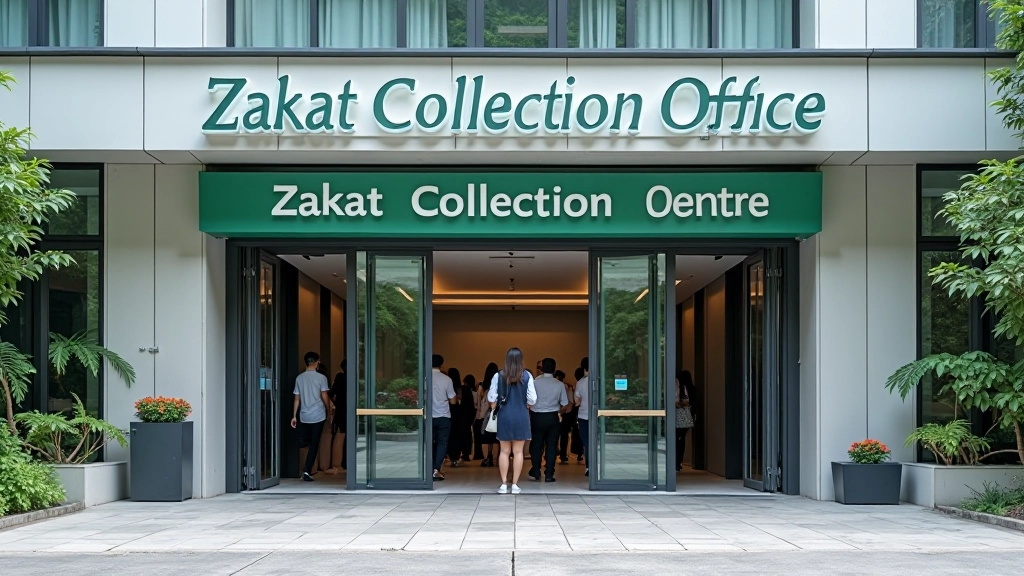
Directory of state zakat centers, payment methods accepted, online options, and what documentation you’ll need for each Malaysian state.
Read GuideOur guides cover the general framework, but your situation might have unique details. Reach out if you need clarification or have questions our guides don’t address.
Contact Us