
Zakat on Savings and Income: A Step-by-Step Calculation Guide
Learn how to calculate zakat on your savings, investments, and annual income with practical examples and common mistakes to avoid.

Understanding Zakat Basics
Zakat isn’t just a religious obligation — it’s a practical financial responsibility that requires clear calculation. If you’re earning a salary or holding savings, you’ll want to get this right. The good news? It’s more straightforward than most people think.
Whether you’ve got money in the bank, investments growing, or regular income coming in, zakat applies. We’re going to walk you through exactly how to calculate it, what counts, and what doesn’t. You’ll see real numbers and honest examples so there’s no guessing involved.
Key Numbers to Remember
- 2.5% Standard zakat rate on savings and assets
- Lunar Year Zakat year follows Islamic calendar
- Nisab Minimum amount required before zakat applies
The Calculation Method: Breaking It Down
Here’s where it gets practical. Calculating zakat on savings means gathering everything you own after one full lunar year has passed. This includes money in your bank account, gold, silver, stocks, and investments.
The basic formula is simple: add up all your zakatable assets, subtract any debts, then multiply by 2.5%. So if you’ve got RM40,000 in savings and no debts, you’d pay RM1,000 in zakat. But there’s one critical condition — you need to have reached the nisab threshold.
Identify all assets held for a full lunar year
Deduct any outstanding debts from total assets
Check if amount exceeds nisab threshold
Calculate 2.5% of the net amount


What’s the Nisab? Why It Matters
The nisab is the minimum threshold of wealth you need to have before zakat becomes obligatory. It’s set based on gold and silver prices, and it changes regularly. As of March 2026, the nisab for gold stands around RM4,700 for 85 grams, and for silver around RM600 for 595 grams.
Why does this matter? If your total assets fall below the nisab, you’re not required to pay zakat that year. But once you cross that threshold, zakat applies to everything above it. Different Malaysian states might have slightly different nisab values, so it’s worth checking with your state zakat centre.
“The nisab isn’t arbitrary — it’s designed to ensure zakat applies only to those with genuine wealth beyond basic needs.”
Zakat on Income: Employment and Business
If you’re working a job or running a business, you might wonder whether zakat applies to your income too. The answer depends on what you do with the money. Annual salary that you spend on living expenses isn’t zakatable. But income you save or invest after a full lunar year? That’s treated like any other savings.
For business owners, it’s slightly different. You’ll calculate zakat on your net business assets — inventory, equipment, cash — at the end of your zakat year. Don’t count items meant for personal use or long-term fixed assets like buildings.
Employment Example
Ahmed earns RM4,500 monthly. He spends RM3,500 on living costs and saves RM1,000 each month. After one lunar year, he’s accumulated RM12,000. Zakat applies only to this saved amount — not his salary.
Business Example
Fatimah runs a clothing boutique. At her zakat year’s end, she has RM25,000 in inventory, RM8,000 cash, and owes RM5,000 to suppliers. Her zakatable amount is (25,000 + 8,000 – 5,000) = RM28,000. Zakat due: RM700.

Common Calculation Mistakes to Avoid
Even people who understand zakat can slip up during calculation. Here are the mistakes we see most often.
Forgetting About Debts
Many people calculate zakat on gross assets without subtracting debts. If you owe RM10,000 on a car or personal loan, deduct that before calculating the 2.5%.
Counting Personal Items
Your house, car, furniture, and clothes aren’t zakatable. Only count wealth beyond what you need for basic living — cash, investments, and business inventory.
Mixing Up the Calendar
Zakat is calculated on a lunar year (Hijri), not the calendar year. Your zakat date depends on when you first reached the nisab, not January 1st.
Ignoring State Variations
Nisab values and zakat rates can vary slightly between Malaysian states. Check with your local zakat centre rather than assuming national figures apply to you.
Putting It Into Practice
Here’s a complete worked example. Let’s say you’re calculating zakat for the lunar year ending March 2026. You’ll need to gather statements from all your financial accounts — bank savings, investment portfolios, EPF statements, and any business records.
Once you’ve listed everything, subtract any loans or liabilities. Check that your total exceeds the nisab. If it does, multiply by 2.5% to get your zakat amount. Some people find it helpful to use a simple spreadsheet or contact their state zakat centre for a calculation form — most centres provide these free of charge.
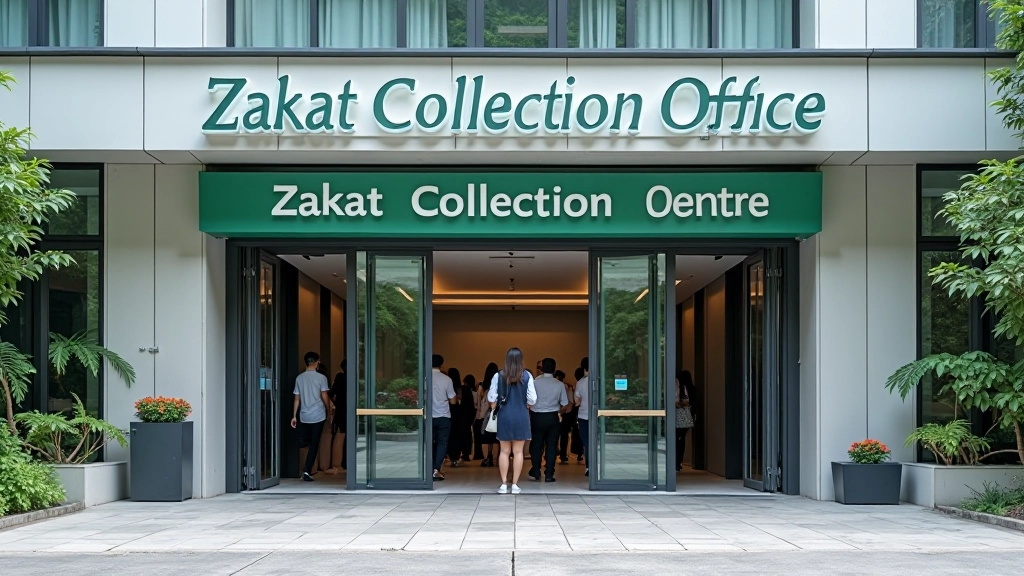
You can pay zakat directly to your state zakat collection centre, through approved mosques, or to certified charities. Get a receipt every time. It’s not just good practice — it gives you documentation for your records and peace of mind knowing your zakat was distributed properly.

Ready to Calculate Your Zakat?
Now that you understand the basics, the next step is gathering your financial information and doing the calculation. Don’t rush through it — getting the numbers right ensures you’re fulfilling this obligation properly.
Related Articles


Disclaimer
This article is provided for educational and informational purposes only. It’s not professional financial advice or Islamic legal counsel. Zakat calculations and obligations vary based on individual circumstances, state regulations in Malaysia, and Islamic jurisprudence. We strongly recommend consulting with your local state zakat centre, a qualified Islamic scholar, or a financial advisor to ensure your calculations are accurate and comply with your specific situation. The information presented reflects general practices as of March 2026 and may change as regulations or market conditions shift.